
 EN
EN



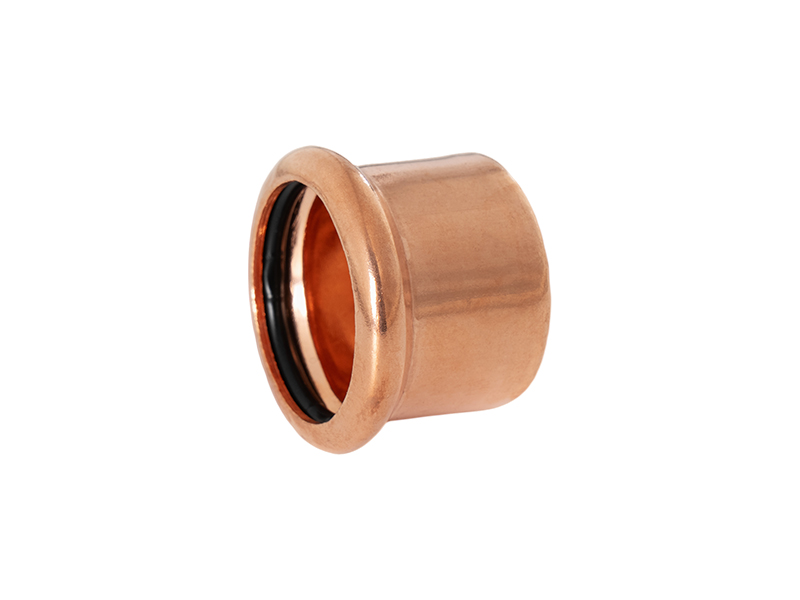
A mechanical room crew finished a riser in a day where brazing had taken two, and the supervisor credited the copper press fitting more than the extra hands. The press tool did the joint in seconds without a torch, a flame permit, or the cleanup brazing leaves behind. A copper press fitting earns its cost when the schedule, not the metal, is the constraint on the job.
When the Torch Became the Bottleneck
The Permit That Stalled the Floor
Brazing needed a hot-work permit, a watcher, and a fire watch that ate the morning. The copper press fitting removed the flame, so the crew worked without the permit queue that had pushed the deadline. On a live site the lost hours mattered more than the small saving on the connector itself at the counter.
Why the Old Method Lagged
Brazing heats the tube and the fitting, then cools slowly, and each joint waits on the last. A copper press fitting closes cold and the next one starts at once, so the line moves as fast as the tool cycles. The time gap widens on long runs where joints outnumber the obstacles the crew must work around.
Risk in the Press Method
Wrong Jaw or Wrong Tool
A press tool set to the wrong jaw marks the fitting without sealing it. Copper press fitting installed with the wrong profile leaks under pressure and passes a visual check. Matching the jaw to the system and verifying the press signal prevents the hidden miss that a pressure test later reveals too late at commissioning.
Unclean Tube Ends
Press needs a clean, round, deburred end or the seal seats poorly. A copper press fitting on a scratched or oval tube traps a path the eye misses. Proper cut, ream, and inspect before the press turns a quick job into a slow leak at commissioning that no one wants to chase on a roof.
How the Joint Holds
The O-Ring and the Compression
The fitting carries an O-ring that the press squeezes into a confirmed groove. A copper press fitting relies on that ring and the uniform bite, not on filler metal. Understanding the seal explains why the tube must be clean and the depth correct, because the ring does the work the braze used to do on the joint.
Compatibility With the Tube
The press profile must match the tube standard the job uses. A copper press fitting pressed on the wrong wall seats badly and the joint weakens. Specifying the matched system, tube and ring included, keeps the connection within the range the manufacturer validated under test before release.
Standards and Method Discipline
What the References Expect
ASTM B88 and B280 name the tube; the press system carries its own listed approvals. A copper press fitting from a documented line arrives with the jaw and ring data the installer needs. ISO 9001 shows the plant controls the process, and the job file should name the tool and the profile used on site.
Choosing the Method and the Supplier
Match the method to the site: press where flame is hard, braze where the standard demands it. A copper press fitting should come with the right jaw, ring, and a lot file. Booming supplies matched systems and documentation so the crew presses with confidence and the inspector sees a recorded, repeatable joint on the floor.
A copper press fitting relies on a calibrated tool and the right jaw for a clean seal. A copper press fitting pressed on the wrong profile marks without sealing and leaks at commissioning under pressure. Calibrating the tool and confirming the jaw before the run keeps every copper press fitting within the range the manufacturer validated, so the joint holds the first time the line is charged on site.
The ring inside a copper press fitting does the work the braze used to do on the joint. A copper press fitting with an aged or wrong ring seats poorly and fails the pressure test later. Storing the ring away from sun and solvent protects the seal, and the supplier lot file should name the ring grade so the copper press fitting the crew presses matches the tube it joins under load.
Pressure testing proves a copper press fitting before the wall closes and hides the miss. A copper press fitting that passes a glance can still weep where the eye misses the gap. A recorded test on every run, with the tool signal logged, turns the copper press fitting from a hopeful click into a verified joint the inspector signs off without a second look at the roof.
Crews trained on the system press faster and miss less on the floor. A copper press fitting installed by a trained hand follows the depth and the clean cut the seal needs. Booming supplies the matched jaw, ring, and lot file with the copper press fitting, so the method stays repeatable and the recorded joint the auditor sees matches the one the crew pressed during the live install.
Choosing a copper press fitting means choosing the whole system, not a single connector on the counter. A copper press fitting bought alone forces the crew to source the tube and ring elsewhere and risk a mismatch. Specifying the matched set keeps the copper press fitting inside the validated range, and the job file names the tool, the profile, and the lot for the next inspector who reads it.
Frequently Asked Questions
Do copper press fittings really cut install time?
Field crews report the joint itself drops from minutes of braze and cool to seconds of press, and the gain grows on long runs. A copper press fitting removes the torch, permit, and fire watch that brazing needs, so the line moves at the tool cycle. The half-time claim holds where flame and cleanup were the bottleneck, not where parts were the wait.
What goes wrong with the wrong jaw?
The tool marks the fitting without sealing it, and the joint passes a glance. A copper press fitting pressed on the wrong profile leaks under pressure and fails the later test. Matching the jaw to the system and watching the press signal catches the error on the spot, before the wall closes and the charge hides the miss from view.
Are press joints as reliable as brazed ones?
When the system is matched and the tube end is clean, yes. A copper press fitting seals on the O-ring and the uniform bite the manufacturer validated, not on filler metal. The joint depends on correct depth and a clean, round tube, so the discipline moves from flame skill to measured preparation at the cut.
Which tube standard works with press?
The press profile must match the tube the job uses, named by ASTM B88 or B280. A copper press fitting pressed on the wrong wall seats badly and the connection weakens under load. Specifying the matched tube, ring, and jaw keeps the joint inside the validated range the supplier tested before release.
Do press fittings need special storage?
Keep the O-ring protected and the bore clean, away from sun and solvent that age the seal. A copper press fitting with a sound ring seats as designed and passes the pressure test. The supplier lot file should name the ring and the profile, and Booming documents the matched system so the crew presses with recorded confidence.
Should the supplier be chosen by method?
Pick a source that supplies the matched tube, jaw, ring, and lot file together. A copper press fitting bought alone forces the crew to source the rest and risks a mismatch. Booming provides the documented system so the method choice is repeatable and the inspector sees a recorded joint rather than a hope on the floor.