
 EN
EN



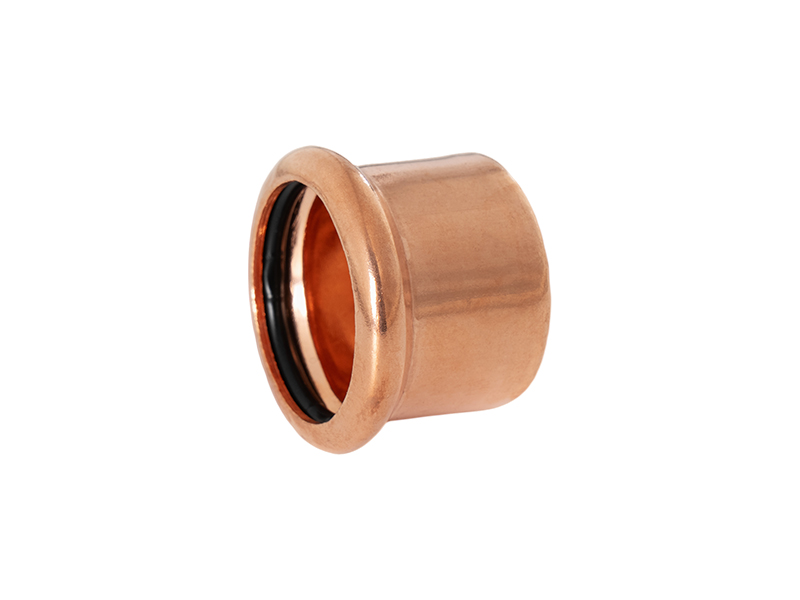
A mechanical room crew finished a riser in a day where brazing had taken two, and the supervisor credited the copper press fitting more than the extra hands. The press tool did the joint in seconds without a torch, a flame permit, or the cleanup brazing leaves behind. A copper press fitting earns its cost when the schedule, not the metal, is the constraint on the job.
When the Torch Became the Bottleneck
The Permit That Stalled the Floor
Brazing required a hot-work permit, a watcher, and a fire watch that consumed the morning. The copper press fitting eliminated the flame, so the crew worked without waiting in the permit queue—which had been pushing the deadline. On an active site, the lost hours mattered more than the minor cost saving on the connector itself at the counter.
Why the Old Method Was Slower
Brazing heats both the tube and the fitting, then cools slowly, and each joint must wait for the previous one to finish. A copper press fitting closes cold, and the next joint begins immediately—so the workflow advances as fast as the tool cycles. The time difference grows larger on long runs where the number of joints exceeds the obstacles the crew must navigate around.
Risk in the Press Method
Incorrect Jaw or Incorrect Tool
A press tool set to the wrong jaw marks the fitting without sealing it. Copper press fitting installed with the wrong profile leaks under pressure and passes a visual check. Matching the jaw to the system and verifying the press signal prevents the hidden miss that a pressure test later reveals too late at commissioning.
Unclean Tube Ends
Press needs a clean, round, deburred end or the seal seats poorly. A copper press fitting on a scratched or oval tube traps a path the eye misses. Proper cut, ream, and inspect before the press turns a quick job into a slow leak at commissioning that no one wants to chase on a roof.
How the Joint Holds
The O-Ring and the Compression
The fitting carries an O-ring that the press squeezes into a confirmed groove. A copper press fitting relies on that ring and the uniform bite, not on filler metal. Understanding the seal explains why the tube must be clean and the depth correct, because the ring does the work the braze used to do on the joint.
Compatibility With the Tube
The press profile must match the tube standard the job uses. A copper press fitting pressed on the wrong wall seats badly and the joint weakens. Specifying the matched system, tube and ring included, keeps the connection within the range the manufacturer validated under test before release.
Standards and Method Discipline
What the References Expect
ASTM B88 and B280 name the tube; the press system carries its own listed approvals. A copper press fitting from a documented line arrives with the jaw and ring data the installer needs. ISO 9001 shows the plant controls the process, and the job file should name the tool and the profile used on site.
Choosing the Method and the Supplier
Match the method to the site: press where flame is hard, braze where the standard demands it. A copper press fitting should come with the right jaw, ring, and a lot file. Booming supplies matched systems and documentation so the crew presses with confidence and the inspector sees a recorded, repeatable joint on the floor.
A copper press fitting relies on a calibrated tool and the right jaw for a clean seal. A copper press fitting pressed on the wrong profile marks without sealing and leaks at commissioning under pressure. Calibrating the tool and confirming the jaw before the run keeps every copper press fitting within the range the manufacturer validated, so the joint holds the first time the line is charged on site.
Anulus in coniunctione pressionis cupri facit opus quod antea faciebat brasura. Coniunctio pressionis cupri cum anulo vetusto vel inadatto male sedet et postea non superat examen pressionis. Conservatio anuli a sole et solventibus protegit sigillum, et fasciculus partis ab suppeditatore debet nominare gradum anuli, ut coniunctio pressionis cupri quam operarii premunt conveniat cum tubo cui iungitur sub onere.
Examen pressionis probat coniunctionem pressionis cupri antequam paries claudatur et occultet defectum. Coniunctio pressionis cupri quae transire videtur ad primam inspexionem tamen potest stillare ubi oculus non videt interstitium. Examen registratum in omni operatione, cum signum instrumenti annotatum, convertit coniunctionem pressionis cupri e click spei in coniunctionem verificatam quam inspector obsignat sine altera inspectione tecti.
Crews trained on the system press faster and miss less on the floor. A copper press fitting installed by a trained hand follows the depth and the clean cut the seal needs. Booming supplies the matched jaw, ring, and lot file with the copper press fitting, so the method stays repeatable and the recorded joint the auditor sees matches the one the crew pressed during the live install.
Choosing a copper press fitting means choosing the whole system, not a single connector on the counter. A copper press fitting bought alone forces the crew to source the tube and ring elsewhere and risk a mismatch. Specifying the matched set keeps the copper press fitting inside the validated range, and the job file names the tool, the profile, and the lot for the next inspector who reads it.
Quaestiones Frequentes
Do copper press fittings really cut install time?
Crews in campo riferiscono che il giunto stesso passa da minuti di brasatura e raffreddamento a secondi di pressatura, e il guadagno aumenta nelle lunghe serie. Una raccordo in rame a pressione elimina la fiamma, il permesso e la sorveglianza antincendio richiesti dalla brasatura, quindi la linea procede al ritmo del ciclo dello strumento. L’affermazione sul dimezzamento del tempo vale dove fiamma e pulizia erano il collo di bottiglia, non dove i componenti causavano l’attesa.
Che cosa va storto con la morsa sbagliata?
Lo strumento marca il raccordo senza sigillarlo, e il giunto supera un controllo visivo sommario. Un raccordo in rame a pressione applicato con profilo errato perde sotto pressione e fallisce il successivo test. Abbinare la morsa al sistema e osservare il segnale di pressatura consente di rilevare l’errore sul momento, prima che la parete si chiuda e la carica nasconda l’errore alla vista.
I giunti a pressione sono affidabili quanto quelli brasati?
Cum systema congruit et extremum tubi mundum est, ita est. Connexio pressionis cupri sigillat in anulo O et morsu uniformi quem fabricator conprobavit, non in metallo adiuvante. Articulus dependet a profundo recto et tubo mundo, rotundo, ideo disciplina movetur a peritia flammae ad praeparationem mensuram apud sectionem.
Quod norma tubi cum pressione compatitur?
Profilus pressionis debet congruere cum tubo quem opus utitur, nominato per ASTM B88 aut B280. Conexio pressionis cupri pressa super parietem falsam male sedet et connexio infirmatur sub onere. Specificatio tubi congruentis, anuli, et morsus servat articulum intra ambitum conprobatum quem fornitor examinavit ante emissionem.
Necne connexiones pressionis specialem custodiam postulant?
Servare O-ringum protegendum et foramen mundum, a sole et solvente quae sigillum aetatem faciunt. Coniunctio pressionis cupri cum anulo sano sedet ut designata est et examen pressionis superat. Fasciculus partium supplicantis debet nomen anuli et profili nominare, et Booming documentat systema coniunctum ut aedificatores cum confidentia registrata premant.
Num supplicans per methodum eligendus est?
Elige fontem qui tubum coniunctum, maxillam, anulum et fasciculum partium simul suppeditat. Coniunctio pressionis cupri sola empta cogit aedificatores cetera quaerere et risum incompatibilitatis generat. Booming praebet systema documentatum ut electio methodi repetibilis sit et inspector iuncturam registratam, non spem in pavimento, videat.