
 EN
EN


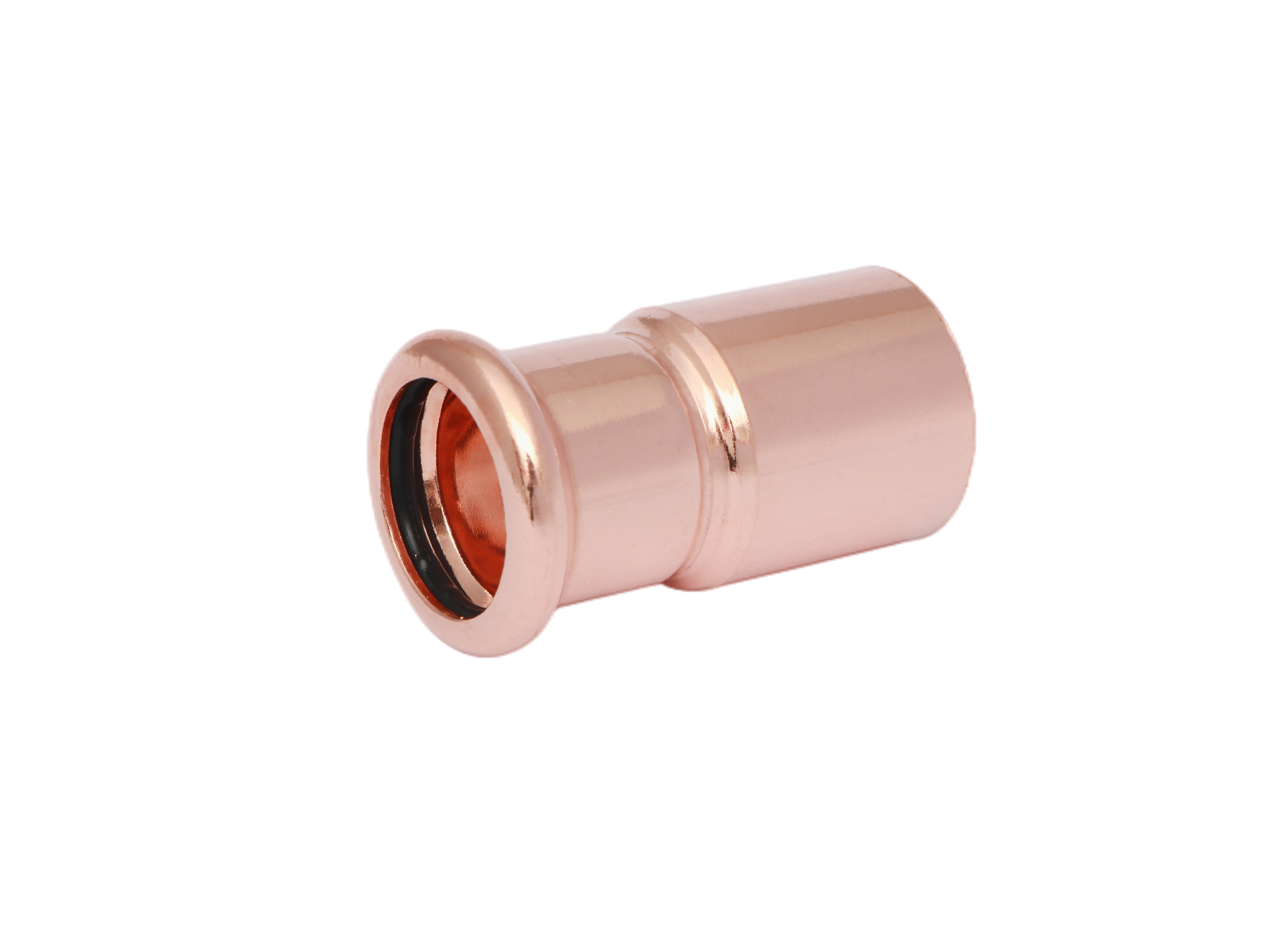
A buyer approved a bulk lot of copper fittings on price and paid for it in a silent leak that showed up after the walls closed. The fittings looked bright and felt solid, yet the alloy and the wall told a different story under pressure. Copper fittings deserve the same inspection as the tube they join, because a weak joint fails where repair costs the most.
A Bulk Lot That Failed Under Pressure
What the Site Found After Closing
Menses post installatione, iunctura stillavit in transitione filetata. Tubuli cupri in illo tractu habebant parietem tenuiorem quam specificatum erat, et radius curvaturae erat incorrectus, itaque stress congregabatur in flexura. Multa quae visu tantum accepta sunt defectum celaverunt usque dum aedificium occupatum est et tectum apertum est pro emendatione cara.
Cur Vulgaris Copia Bene Visa Est
Purificatio splendens tegit legem mollem et parietem tenuem. Tubuli cupri qui fulgent adhuc possunt esse infra specificatum si faber omisit gradus trahendi et recandefaciendi. Emptor non habebat certificatum fabricae, itaque fraus ad locum pervenit incognita et transivit unicum experimentum quod applicatum est, scilicet inspicere palletam.
Periculum in Suppeditatione Tubulorum
Mixtura Legis Quae Iunctionem Imbuit
Not every copper fitting uses the deoxidized grade the job needs. Copper fittings in the wrong alloy crack at the braze and leak under thermal cycling. Matching the grade to the service, whether water or refrigeration, prevents the field failure that a low quote cannot excuse later when the wall is already closed.
Wall Thickness Below the Standard
A thin wall dents in handling and necks at the swage. Copper fittings below the named schedule need more care and fail sooner under pressure. Specifying the wall and measuring a sample on arrival catches the shortfall before the pallet reaches the riser and the crew trusts it with the system pressure.
How a Sound Fitting Is Built
The Draw and Anneal Steps
Fittings de alta qualitate sunt tractati ad parietem uniformem et annealati ad relaxandum tensionem. Fittings de cuprum facti hac ratione flectuntur et braziuntur sine frangendo, quia granulum aequale est. Omissio annealationis relinquit partem duram et fragilem, quae bene videtur sed in primo cyclo thermico, quem systema in usu normali in loco experitur, deficit.
Radius Curvaturae et Fluxus
Radius generosus fluxum lenem et tensionem parvam servat. Fittings de cuprum cum curvatura angusta et irregulari fluxum perturbant et deposita colligunt. Geometria melior etiam pulchrius braziatur, quia aptatio constans est et interstitium, quod materia braziens implere debet, intra ambitum manet, quem iunctura ad tenendum sub pressione designata est.
Normae et Disciplina Inspectionis
Quid Marca Vere Significant
ASTM B88 and B280 name the tube the fitting must match; ASME B16.22 covers the wrought fitting geometry and wall. Copper fittings bought to these marks arrive with a traceable lot file. NSF/ANSI 61 matters for drinking water, and ISO 9001 shows the plant controls the process end to end without gaps.
A Practical Pre-Order Check
Ask for alloy, wall, certificate, and a sample for measure. Copper fittings should be gauged on arrival and compared to the approved drawing before the bulk releases. Booming supplies documented grades and a steady panel, so the buyer can plan the spec and trust the pallet rather than hope the shine means quality on the dock.
Copper fittings should ship with a mill certificate that names the alloy and the wall. Copper fittings without that paper leave the buyer guessing the grade at the dock, and the risk shows only after the joint is closed. Asking for the lot file before release turns a price call into a spec call, so the inspector accepts the documented copper fittings instead of the shiny ones that looked right on the pallet.
Good copper fittings deserve a gauge and a bore check on arrival, not a glance at the pallet. Copper fittings that fail the sample check should stop the bulk before it reaches the riser and the crew trusts it. A short receiving routine protects the system, because the cost of one weak joint behind a finished wall outweighs the few minutes the check takes on the dock each morning with the copper fittings in hand.
Dry storage keeps copper fittings bright and ready to braze without rework. Copper fittings left on a damp floor tarnish and hint at a soft alloy the eye misses. The bore should stay clean and free of solvent film, because dirty copper fittings trap flux and shorten the joint the crew seals under pressure, and the charge later carries what the bore held from the start of the run.
Copper fittings from a plant under ISO 9001 arrive with a steady panel and a real lot file the auditor accepts. Copper fittings bought on price alone can shift grade between orders and surprise the next job with a quiet leak. Booming documents each grade and radius so the buyer plans the spec with confidence, and the copper fittings on the dock match the drawing the engineer signed before the order.
A buyer who inspects copper fittings before release avoids the retrofit required after a joint failure. Copper fittings selected according to the certificate, wall specification, and supplier file ensure system integrity during thermal cycling and pressure exposure. The few minutes spent inspecting copper fittings upon receipt yield returns the first time a non-conforming lot would otherwise leak behind a wall—forcing costly, time-consuming on-site repairs.
Quaestiones Frequentes
How can bulk copper fittings be inspected before ordering?
Request alloy type, wall thickness, and mill certificate; then verify a sample upon arrival against the approved drawing. Copper fittings procured to ASTM B88 and ASME B16.22 arrive with a lot file accepted by inspectors. Booming supplies documented material grades so buyers confirm compliance before bulk release—not after a leak emerges behind a finished wall.
Why did the low-cost lot appear acceptable but fail?
Luminosa purgatio occultat mollem alligatum et tenuem parietem ab oculis. Connexiones cupreas, quae gradus trahendi et temperandi praetermittunt, adhuc fulgent, sed in brasiatura franguntur sub cyclis thermalibus. Sine certificato haec abbreviatio ad locum pervenit, et unicum experimentum quod adhibebatur erat visus, quem iunctura defectuosa postea refutavit sub pressione systematis.
An gradus alligati momenti est pro iunctura?
Ita. Connexiones cupreae ex inadverso alligato in brasiatura franguntur et percolant ubi servitium cyclis utitur. Gradum ad aquam aut refrigerationem accommodare vitat defectum in campo, quem pretium exiguum excusare non potest. Certificatum debet nomen alligati designare, et inspectio advenientis confirmare debet antequam paletta ad tubum ascendentem perveniat et a turba fiduciam accipiat.
Quam crassitudinem parietis specificare oportet?
Name the schedule the tube uses and measure a sample on arrival. Copper fittings below that wall dent in handling and neck at the swage, then fail sooner under pressure. A short gauge check catches the shortfall early, and the approved drawing becomes the reference the whole bulk is released against on the dock.
Which standards prove a sound fitting?
ASTM B88 and B280 name the tube; ASME B16.22 covers the fitting geometry and wall. Copper fittings to these marks arrive traceable, and NSF/ANSI 61 applies for drinking water. ISO 9001 shows the plant controls the process, so the lot file the auditor wants is already written and matched to the drum.
Should fittings be stored a certain way?
Keep them dry and off the floor, away from solvents that tarnish the bore. Copper fittings that stay bright resist the soft-alloy hint and install without rework. A same-routine receiving for every lot, plus a sample gauge, prevents the surprises that fill incident reports about a weak joint found too late.