
 EN
EN



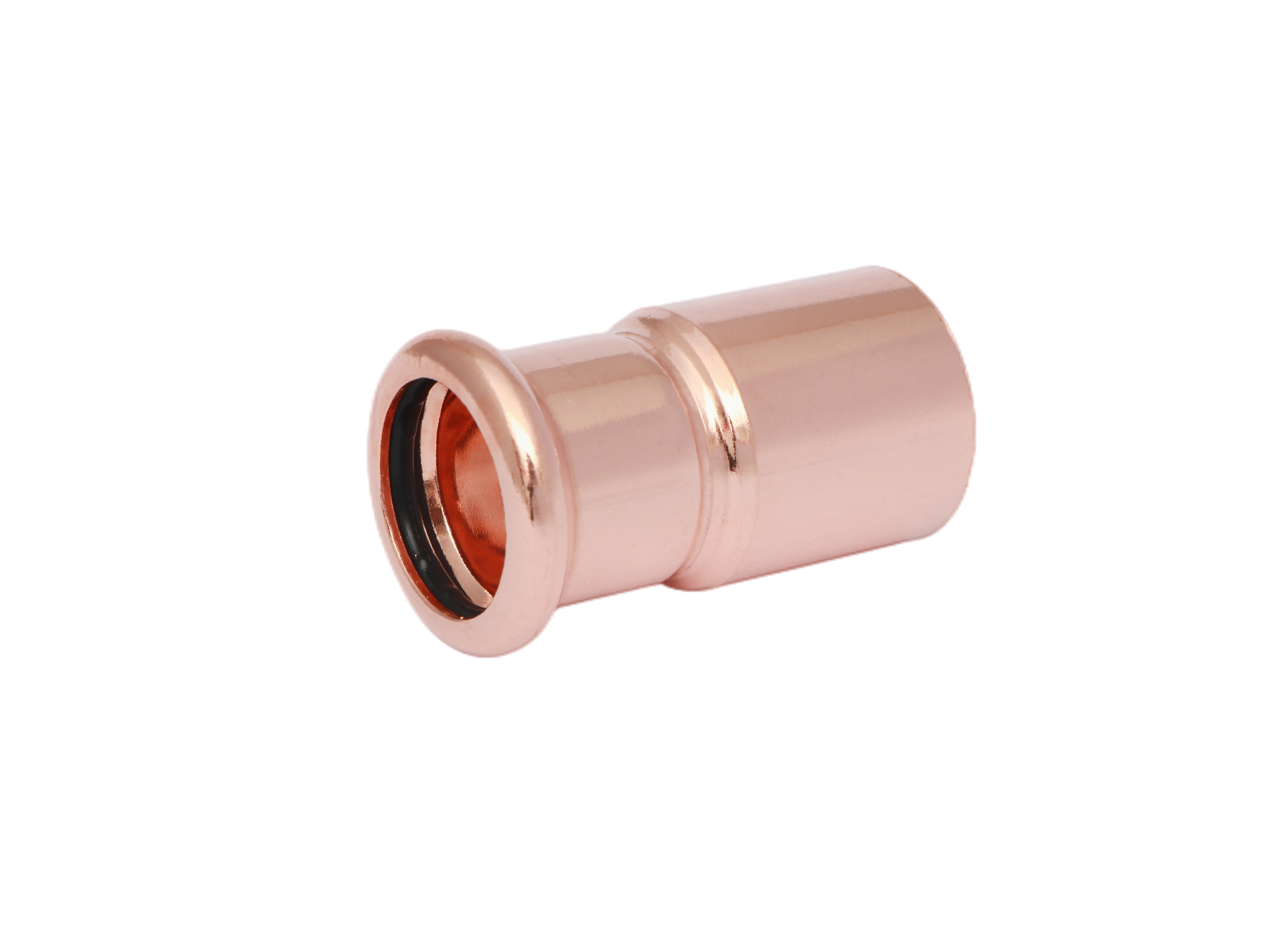
A buyer approved a bulk lot of copper fittings on price and paid for it in a silent leak that showed up after the walls closed. The fittings looked bright and felt solid, yet the alloy and the wall told a different story under pressure. Copper fittings deserve the same inspection as the tube they join, because a weak joint fails where repair costs the most.
A Bulk Lot That Failed Under Pressure
What the Site Found After Closing
Months after install, a joint wept at a threaded transition. The copper fittings in that run carried a thinner wall than the spec named, and the sweep radius was off, so stress gathered at the bend. A lot accepted on appearance alone hid the defect until the building was occupied and the ceiling opened for a costly fix.
Why the Cheap Batch Looked Fine
Bright cleaning masks a soft alloy and a thin wall. Copper fittings that shine can still be under-spec if the mill skipped the draw and anneal steps. The buyer had no mill certificate, so the shortcut reached the site unnoticed and passed the only test that was applied, which was a glance at the pallet.
Risk in the Fitting Supply
Alloy Mix That Weakens the Joint
Not every copper fitting uses the deoxidized grade the job needs. Copper fittings in the wrong alloy crack at the braze and leak under thermal cycling. Matching the grade to the service, whether water or refrigeration, prevents the field failure that a low quote cannot excuse later when the wall is already closed.
Wall Thickness Below the Standard
A thin wall dents in handling and necks at the swage. Copper fittings below the named schedule need more care and fail sooner under pressure. Specifying the wall and measuring a sample on arrival catches the shortfall before the pallet reaches the riser and the crew trusts it with the system pressure.
How a Sound Fitting Is Built
The Draw and Anneal Steps
Quality fittings are drawn to a uniform wall and annealed to relieve stress. Copper fittings made this way bend and braze without cracking, because the grain is even. Skipping the anneal leaves a hard, brittle part that looks right but fails at the first thermal swing the system sees in normal service on site.
The Sweep Radius and the Flow
A generous radius keeps flow smooth and stress low. Copper fittings with a tight, lumpy sweep disturb flow and gather deposits. The better geometry also brazes cleaner, because the fit is consistent and the gap the filler must bridge stays within the range the joint was designed to hold under pressure.
Standards and Inspection Discipline
What the Marks Actually Mean
ASTM B88 and B280 name the tube the fitting must match; ASME B16.22 covers the wrought fitting geometry and wall. Copper fittings bought to these marks arrive with a traceable lot file. NSF/ANSI 61 matters for drinking water, and ISO 9001 shows the plant controls the process end to end without gaps.
A Practical Pre-Order Check
Ask for alloy, wall, certificate, and a sample for measure. Copper fittings should be gauged on arrival and compared to the approved drawing before the bulk releases. Booming supplies documented grades and a steady panel, so the buyer can plan the spec and trust the pallet rather than hope the shine means quality on the dock.
Copper fittings should ship with a mill certificate that names the alloy and the wall. Copper fittings without that paper leave the buyer guessing the grade at the dock, and the risk shows only after the joint is closed. Asking for the lot file before release turns a price call into a spec call, so the inspector accepts the documented copper fittings instead of the shiny ones that looked right on the pallet.
Good copper fittings deserve a gauge and a bore check on arrival, not a glance at the pallet. Copper fittings that fail the sample check should stop the bulk before it reaches the riser and the crew trusts it. A short receiving routine protects the system, because the cost of one weak joint behind a finished wall outweighs the few minutes the check takes on the dock each morning with the copper fittings in hand.
Dry storage keeps copper fittings bright and ready to braze without rework. Copper fittings left on a damp floor tarnish and hint at a soft alloy the eye misses. The bore should stay clean and free of solvent film, because dirty copper fittings trap flux and shorten the joint the crew seals under pressure, and the charge later carries what the bore held from the start of the run.
Copper fittings from a plant under ISO 9001 arrive with a steady panel and a real lot file the auditor accepts. Copper fittings bought on price alone can shift grade between orders and surprise the next job with a quiet leak. Booming documents each grade and radius so the buyer plans the spec with confidence, and the copper fittings on the dock match the drawing the engineer signed before the order.
A buyer who checks copper fittings before release avoids the retrofit that follows a failed joint. Copper fittings chosen on the certificate, the wall, and the supplier file hold the system through thermal cycling and pressure. The few minutes spent on copper fittings at receiving pay back the first time a different lot would have wept behind a wall the crew cannot open without cost and delay on site.
Frequently Asked Questions
How can bulk copper fittings be checked before order?
Ask for alloy, wall thickness, and a mill certificate, then gauge a sample on arrival against the approved drawing. Copper fittings bought to ASTM B88 and ASME B16.22 arrive with a lot file the inspector accepts. Booming provides documented grades so the buyer verifies the spec before the bulk releases, not after a leak appears behind a finished wall.
Why did the cheap lot look fine but fail?
Bright cleaning hides a soft alloy and a thin wall from a glance. Copper fittings that skip the draw and anneal steps still shine yet crack at the braze under thermal cycling. Without a certificate the shortcut reaches the site, and the only test applied was appearance, which the failed joint later disproved under system pressure.
Does alloy grade matter for the joint?
Yes. Copper fittings in the wrong alloy crack at the braze and leak where the service cycles. Matching the grade to water or refrigeration prevents the field failure a low quote cannot excuse. The certificate should name the alloy, and the incoming check should confirm it before the pallet reaches the riser and the crew trusts it.
What wall thickness should be specified?
Name the schedule the tube uses and measure a sample on arrival. Copper fittings below that wall dent in handling and neck at the swage, then fail sooner under pressure. A short gauge check catches the shortfall early, and the approved drawing becomes the reference the whole bulk is released against on the dock.
Which standards prove a sound fitting?
ASTM B88 and B280 name the tube; ASME B16.22 covers the fitting geometry and wall. Copper fittings to these marks arrive traceable, and NSF/ANSI 61 applies for drinking water. ISO 9001 shows the plant controls the process, so the lot file the auditor wants is already written and matched to the drum.
Should fittings be stored a certain way?
Keep them dry and off the floor, away from solvents that tarnish the bore. Copper fittings that stay bright resist the soft-alloy hint and install without rework. A same-routine receiving for every lot, plus a sample gauge, prevents the surprises that fill incident reports about a weak joint found too late.