EN
EN



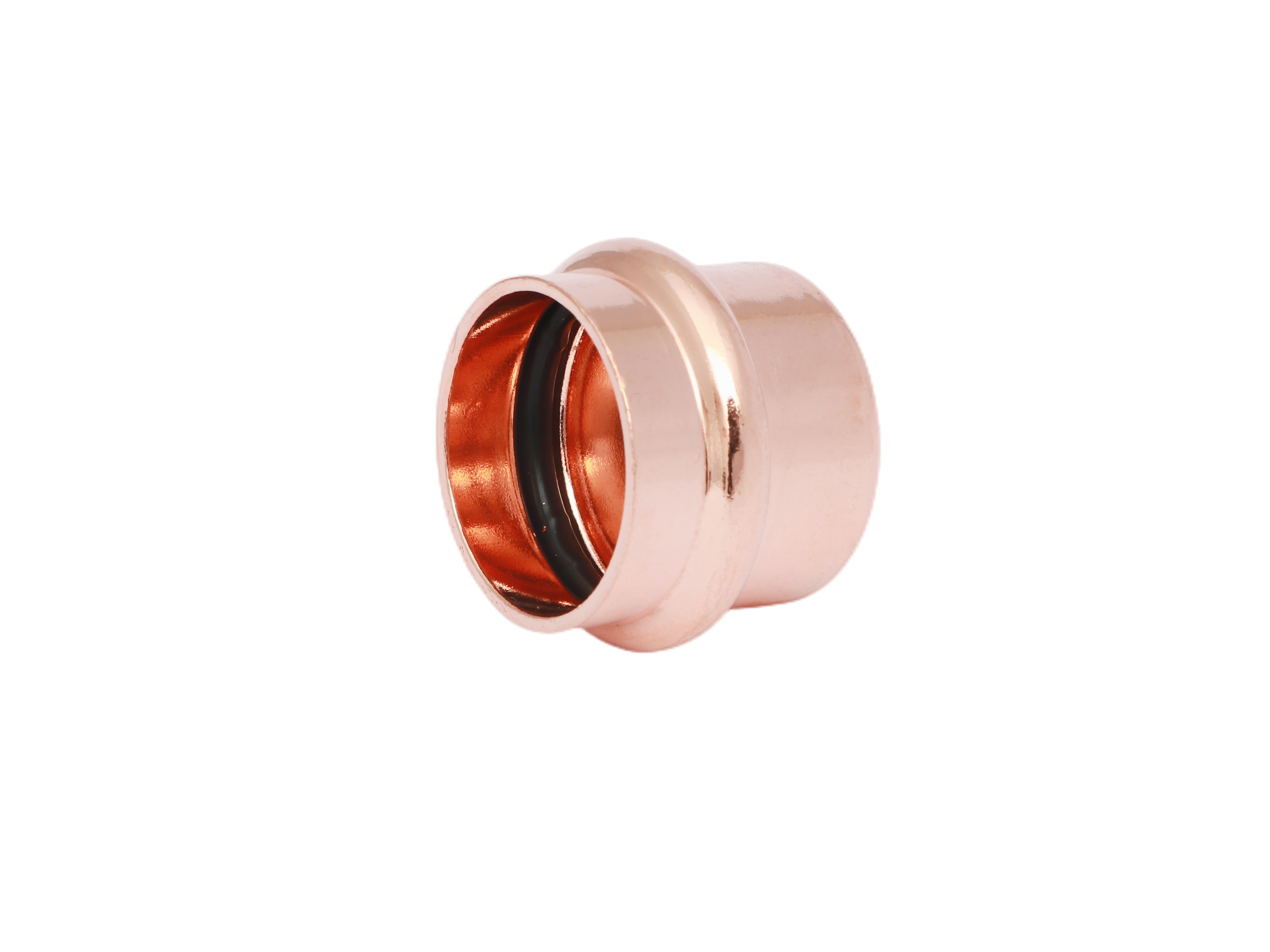
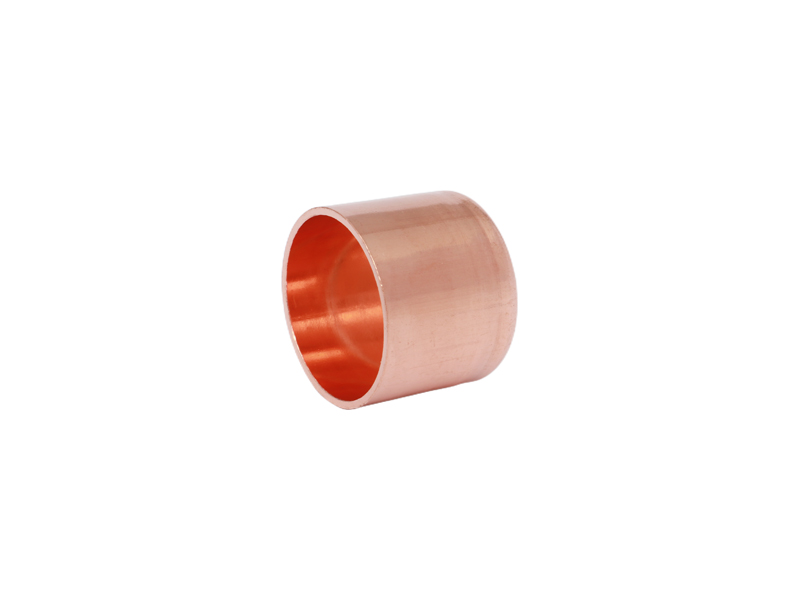
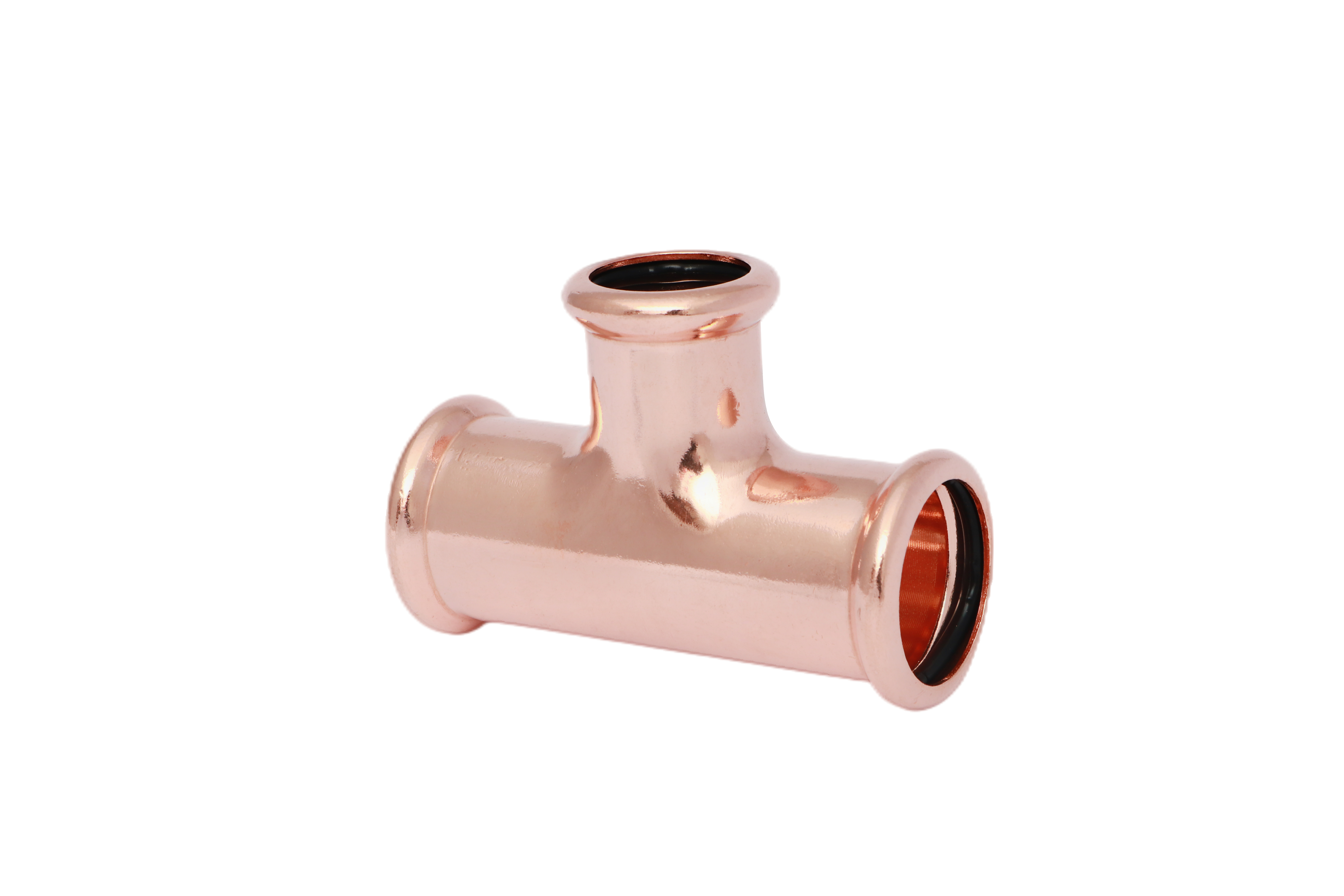
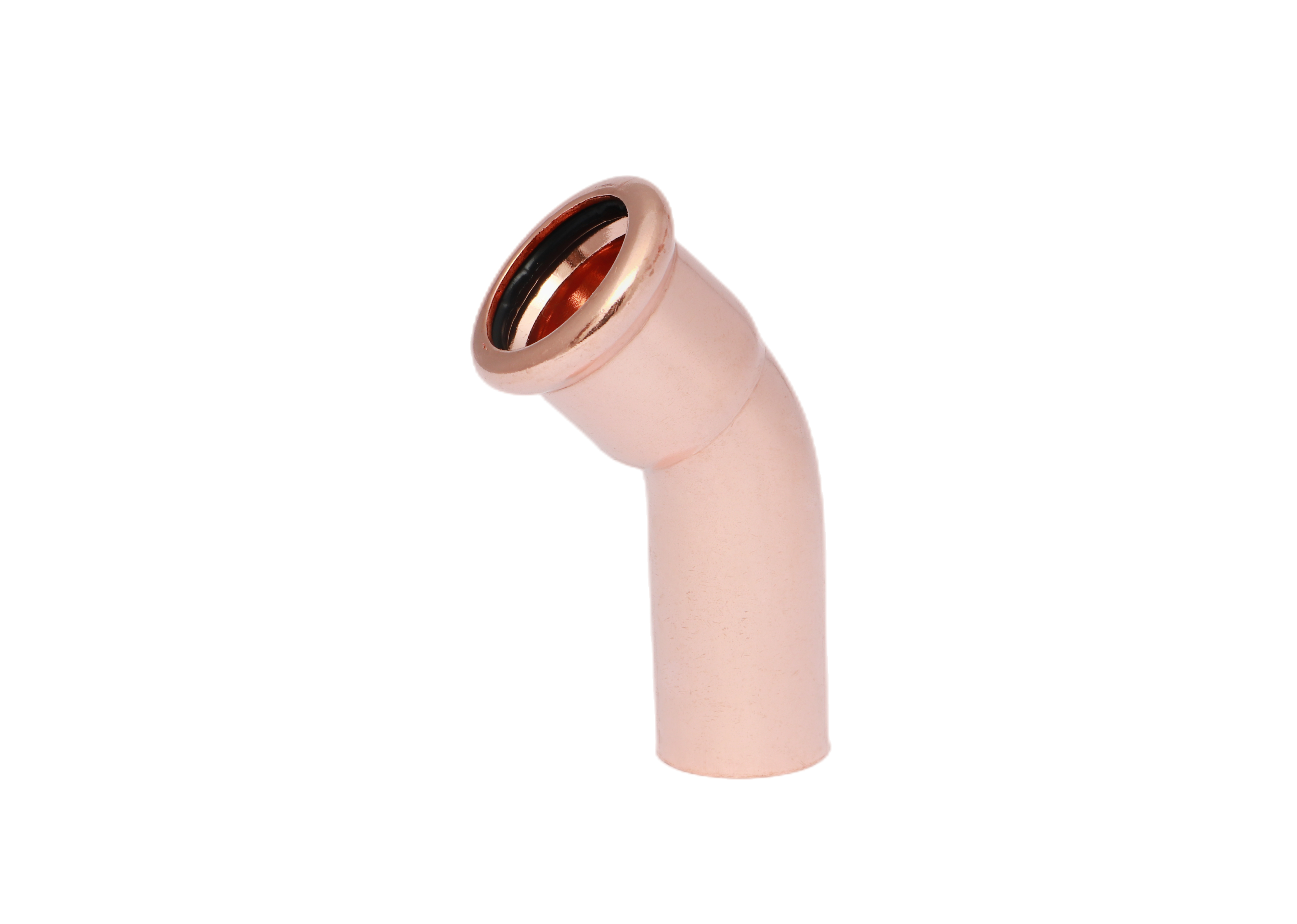
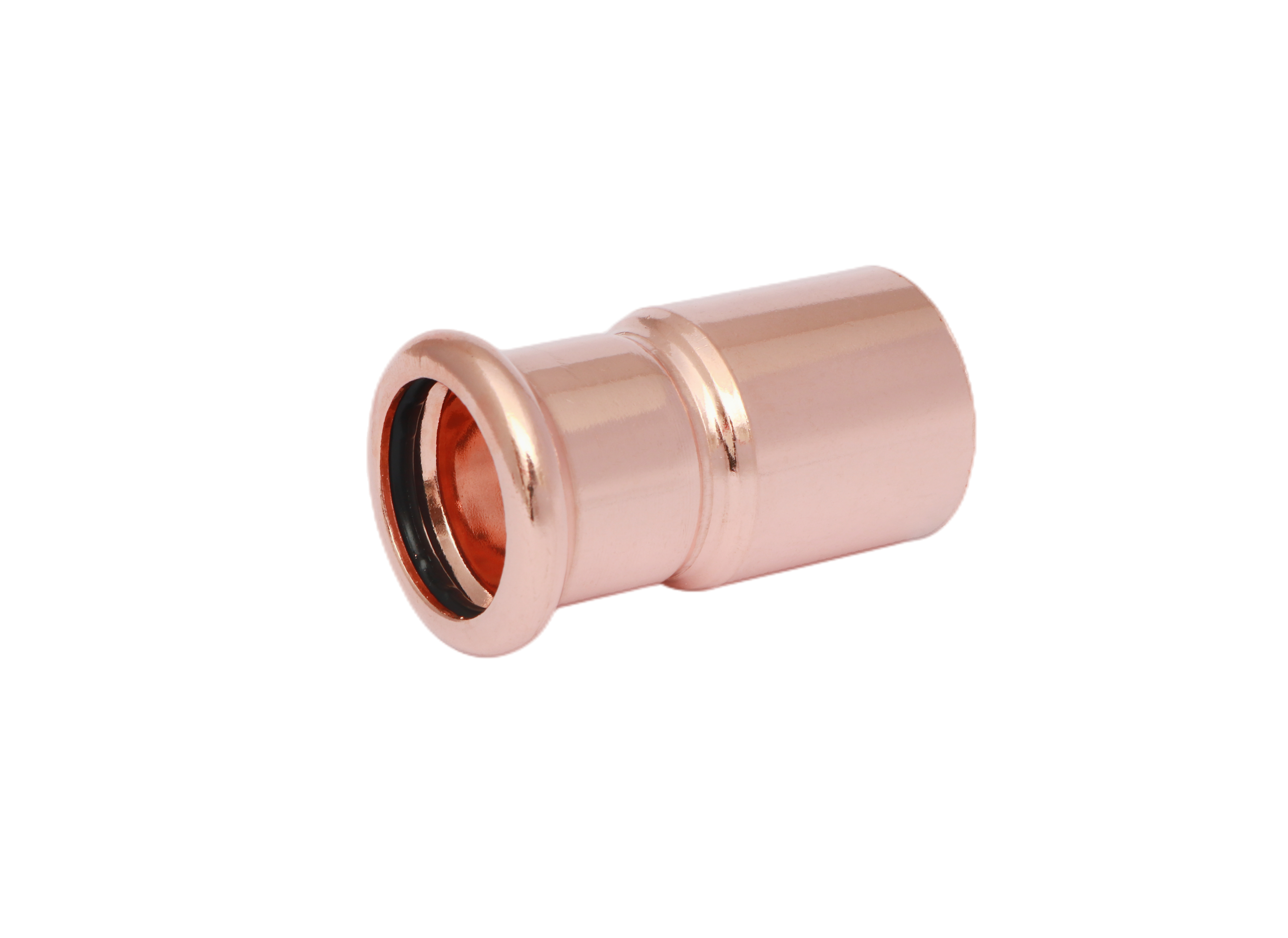
Copper press fitting with V profile-cap
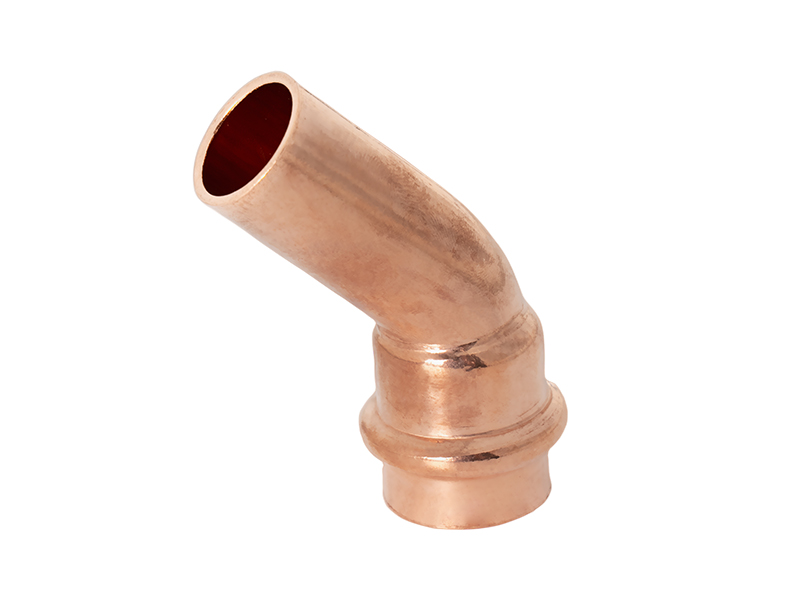
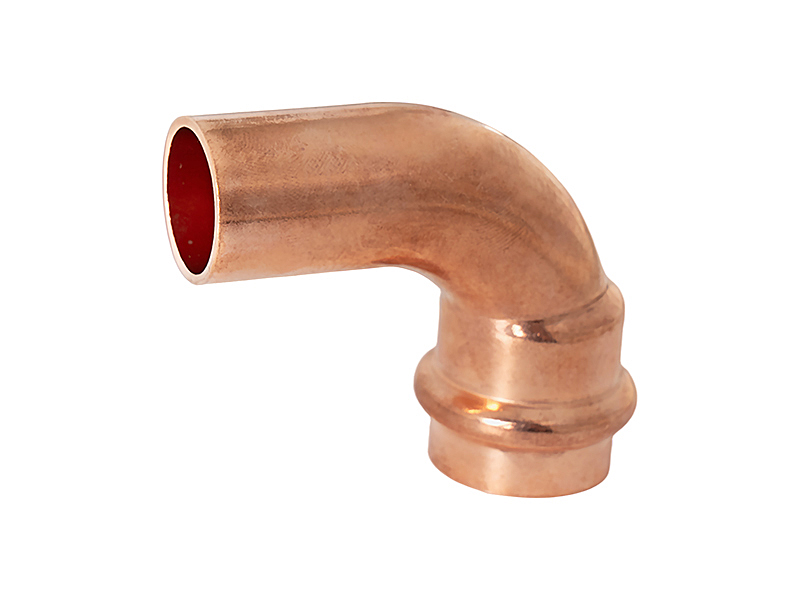
Discover our high-performance copper press fittings for reliable plumbing and piping. Our press connection system offers fast, leak-proof installation for copper tubes in water, heating, and air applications. View technical specs and dimensions.
-Material: Copper Alloy (CW602N)
-Sealing Element : EPDM O-ring
-Certifications : WRAS Approved
- Overview
- Recommended Products
Overview
Copper press fittings represent a significant evolution in contemporary plumbing and piping systems, delivering a highly efficient, secure, and technologically advanced method for connecting copper tubing. Developed to meet the needs of modern construction professionals, these fittings provide a permanent, pressure-resistant seal through a controlled mechanical pressing process. Instead of relying on traditional soldering or brazing techniques, installers use a specialized pressing tool to compress the fitting body onto the pipe, forming a stable and durable joint in seconds. This approach eliminates the requirement for open flames, flux materials, or hot-work permits, greatly simplifying installation logistics on site.
One of the most important benefits of this system is its ability to improve workflow efficiency while maintaining high installation quality. Because the process is mechanical and standardized, it reduces dependency on welding expertise and minimizes variability between different installers. This ensures consistent results across large-scale piping projects, including complex building infrastructures where uniform performance is essential. As a result, copper press fittings are increasingly preferred in fast-track construction environments where both speed and reliability are critical.
These fittings are widely applicable across multiple systems, such as potable water networks, hydronic heating installations, chilled water circulation systems, and compressed air distribution lines. They are also commonly used in institutional and commercial facilities like hospitals, airports, office complexes, and residential towers, where safety, hygiene, and system durability are key priorities. Each fitting integrates a precision-engineered sealing element, typically an EPDM O-ring, which provides excellent resistance to temperature fluctuations, water quality variations, and long-term aging effects.
By combining a high-strength metallic structure, an advanced elastomer sealing component, and a purpose-designed pressing tool, copper press fittings enable installers to achieve a secure mechanical connection with minimal effort. The result is a system that not only accelerates installation speed but also enhances operational safety by removing fire-related risks and reducing airborne contaminants. Overall, this technology offers a modern, reliable, and cost-efficient solution that meets the demands of today’s advanced plumbing and HVAC infrastructure projects.
Key Features & Benefits
Rapid Installation: Copper press fitting systems are engineered for maximum efficiency in modern construction environments, where speed directly impacts project success. Each connection can typically be completed in less than 10 seconds, allowing installation teams to assemble extensive piping layouts in a fraction of the time required by traditional methods. This streamlined process reduces manual labor intensity and improves workflow coordination on busy job sites. As a result, contractors can complete more installations within shorter timeframes, improving productivity while maintaining consistent build quality across the entire system.
Flame-Free & Safe: One of the defining advantages of press fitting technology is its completely flame-free operation. Since no soldering, welding, or heat application is required, the installation process eliminates fire hazards and removes the need for hot work permits. This significantly improves job site safety and allows work to proceed in environments where open flames are strictly prohibited, such as hospitals, schools, office buildings, and occupied residential areas. In addition, the absence of combustion processes helps maintain cleaner air quality during installation, reducing exposure to smoke, fumes, and hazardous byproducts.
Leak-Proof Integrity: Each press connection is designed to deliver a highly secure and durable seal that performs reliably under continuous pressure and varying environmental conditions. The mechanical compression ensures full contact between the pipe and fitting, creating a stable joint that resists vibration, thermal expansion, and system movement. Once properly installed, the connection maintains long-term structural integrity, reducing the likelihood of leaks and minimizing maintenance needs throughout the system’s service life.
Versatile Application: Copper press fittings are compatible with both rigid (hard-drawn) and annealed (soft) copper tubing, making them suitable for a wide range of plumbing and HVAC configurations. Manufactured according to internationally recognized standards such as ASTM B88 and EN 1057, they ensure dimensional precision and consistent performance across global projects. This versatility allows their use in potable water systems, heating and cooling networks, compressed air lines, and various industrial piping applications.
Cost-Effective: By removing the need for welding equipment, fire supervision, and hot work insurance, press fitting systems significantly reduce indirect project costs. Faster installation cycles also shorten overall construction schedules, helping reduce labor expenses and minimize downtime. The combined savings in equipment, safety compliance, and time make this solution a highly economical choice for modern piping installations.
Technical Specifications
Parameter |
Specification |
Material |
Copper Alloy (CW602N) |
Sealing Element |
EPDM O-ring |
Sealing Material Temp. Range |
-20°C to +110°C |
Operating Pressure |
Max 16 Bar |
Standards |
AS3688,EN1057 |
Size Range |
15mm-54mm |
Certifications |
WRAS Approved |
Connection Method |
Cold press using a calibrated jaw tool |
Installation Guide
Cut: Begin the installation process by preparing the copper pipe with a precise, perpendicular cut using a professional pipe cutting tool. The cut should be clean and uniform to ensure optimal contact with the internal structure of the fitting. A properly prepared pipe end improves alignment accuracy and supports a stable mechanical connection during the pressing stage. Any distortion or uneven edge should be avoided to maintain installation quality.
Deburr: After cutting, carefully process the pipe edge using a deburring instrument to eliminate sharp edges and residual metal fragments. This step is essential to protect the internal sealing component of the fitting and ensure smooth insertion. A well-finished pipe end reduces friction during assembly and prevents damage to the sealing interface, helping maintain long-term system reliability under pressure conditions.
Mark: Next, determine the correct insertion depth and clearly mark it on the outer surface of the pipe using a measuring guide or marker. This reference line serves as a visual checkpoint during installation, ensuring that the pipe is fully seated inside the fitting body. Accurate marking enhances consistency across multiple joints and helps prevent incomplete insertion, which could affect sealing performance.
Insert: Carefully guide the pipe into the fitting with steady pressure until it reaches the internal stop position. The insertion should be smooth and controlled, ensuring proper alignment throughout the process. At this stage, the sealing element inside the fitting lightly engages the pipe surface, holding it in position before the pressing operation begins.
Press: Position the pressing tool jaws accurately over the designated compression area of the fitting. Activate the tool to apply uniform radial force, permanently shaping the fitting around the pipe. This mechanical deformation creates a tight, durable joint designed to withstand pressure fluctuations, vibration, and thermal movement in operational environments.
Verify: After pressing is completed, conduct a thorough visual inspection of the joint. The correctly formed compression profile indicates that the pressing cycle was successful. Confirm that the fitting shape is uniform and stable before system commissioning to ensure safe operation and long-term performance reliability.