EN
EN



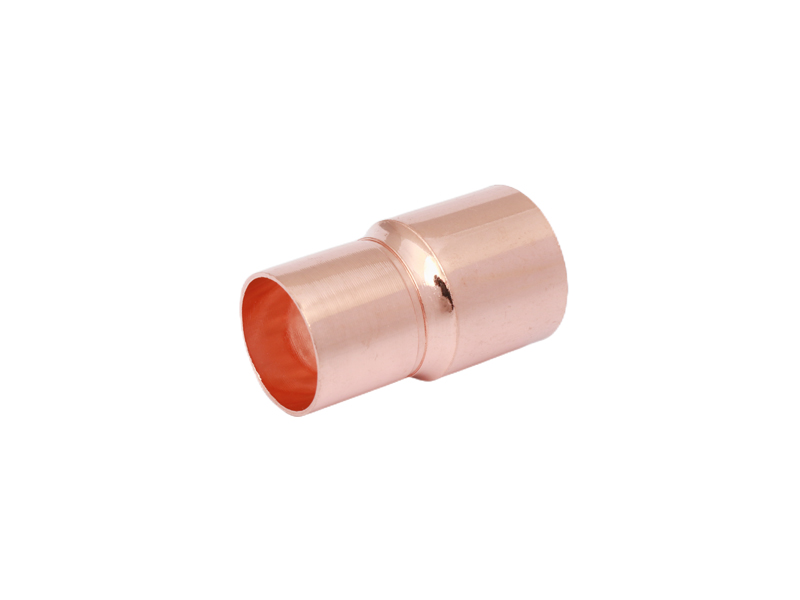
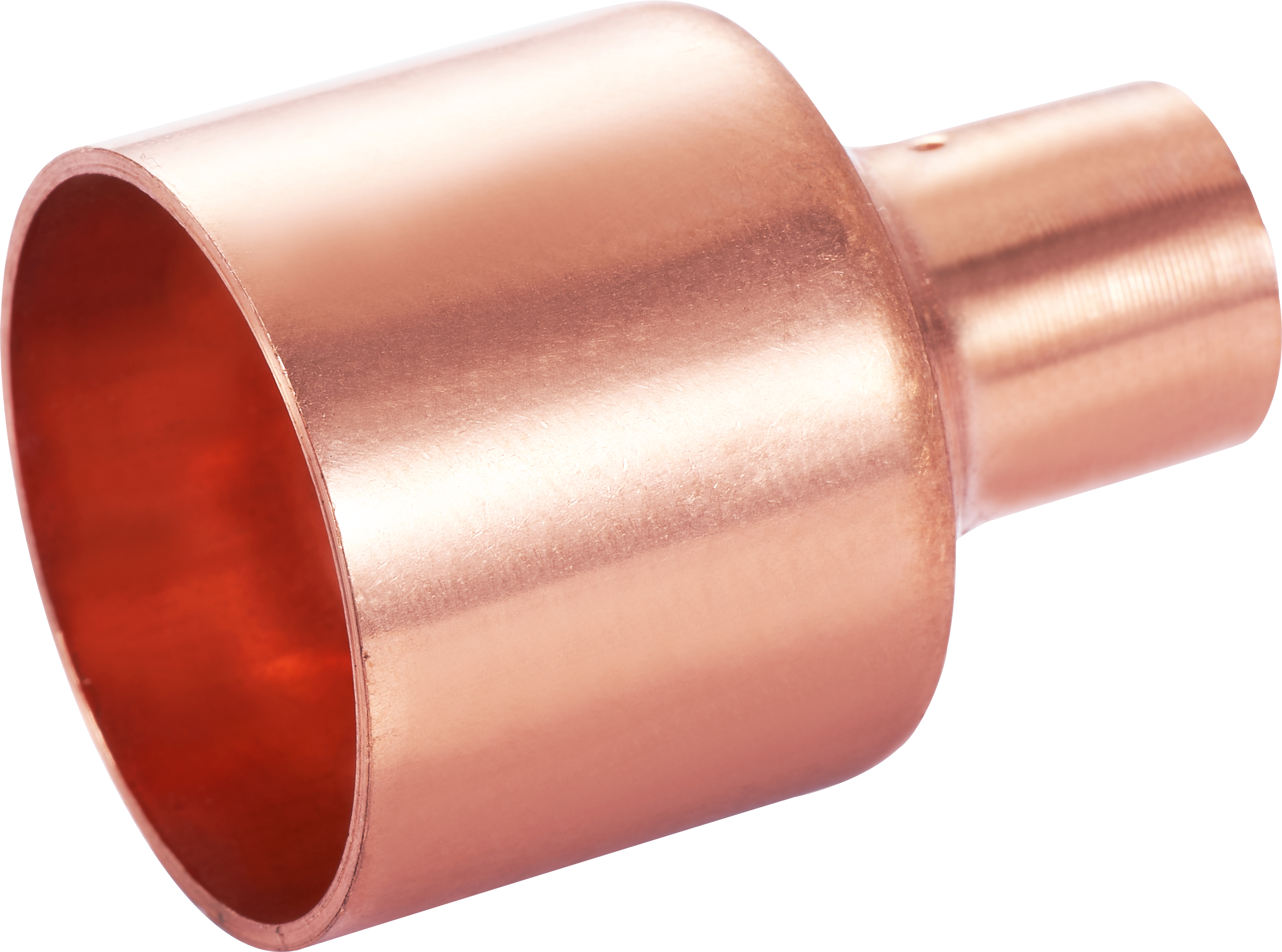
Copper Reducing Coupling
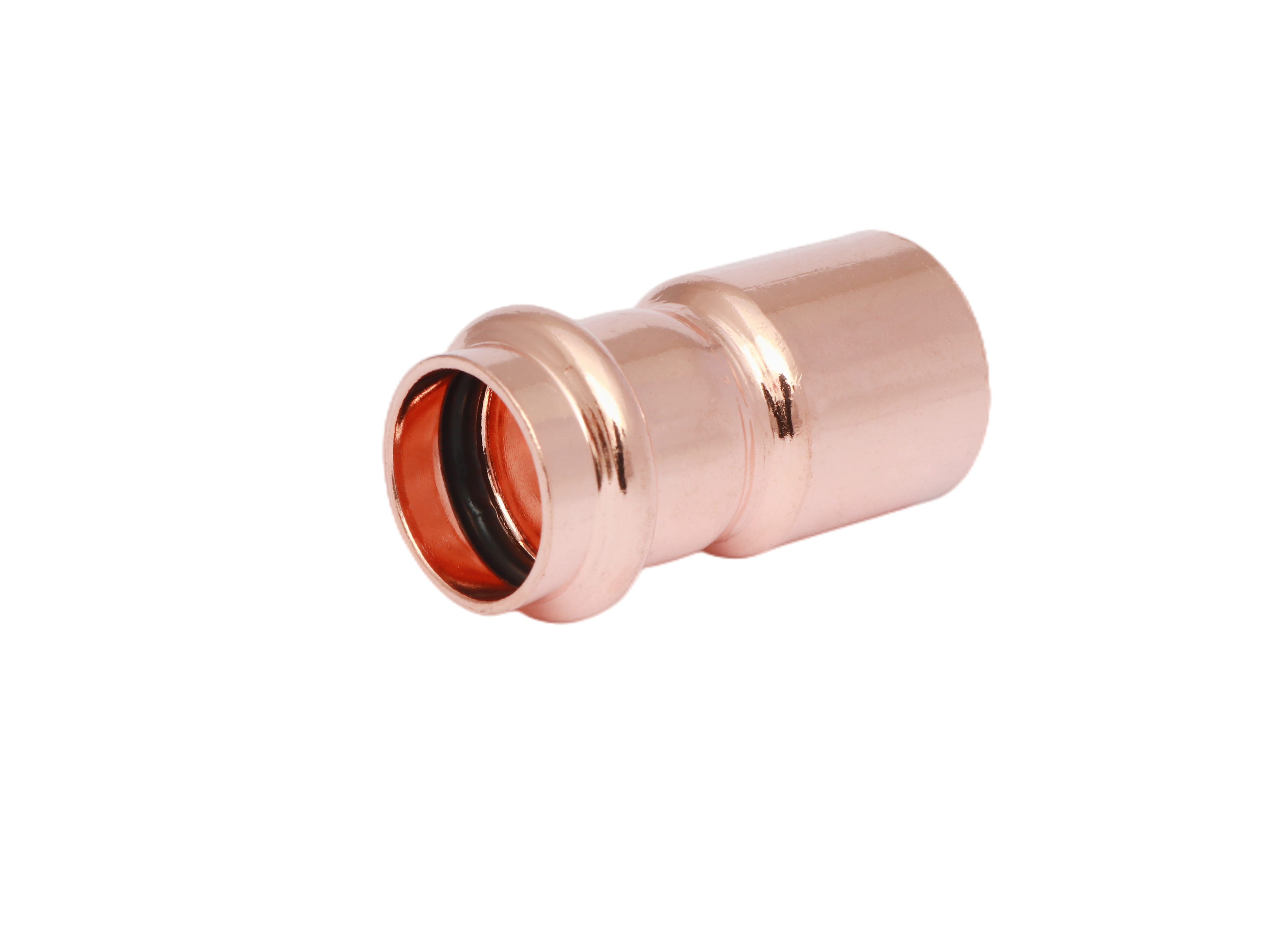
Our high-quality Copper Reducing Coupling is designed to efficiently join two copper pipes of different diameters. Manufactured from premium copper alloy, this fitting ensures a durable, leak-proof connection for plumbing and heating systems, fully compliant with European Standard EN1254-1 and American Standard ASTM B16.22 (ASME B16.22), ensuring suitability for global markets.
-Material: Durable wrought copper (typically DHP copper / Alloy C12200)
-Code: 5240(EN1254-1) / BM5021(ASME B16.22)
-Standards Compliance: EN1254-1 / ASME B16.22
- Overview
- Recommended Products
Overview
The Copper Reducing Coupling is a professionally engineered pipe fitting designed to provide a secure and efficient connection between copper tubes with different diameters. Unlike standard couplings that only join pipes of the same size, this reducing design allows seamless size conversion within a piping system, helping optimize flow control, improve installation flexibility, and simplify complex plumbing layouts. It is widely used in residential, commercial, and industrial piping projects where reliable pipe size adjustment is required.
Manufactured from premium-quality copper materials, the fitting delivers excellent mechanical strength, corrosion resistance, and long-term durability even under demanding operating conditions. Copper’s natural thermal conductivity makes this reducing coupling especially suitable for systems involving temperature changes, including hot water supply, heating circuits, refrigeration pipelines, and HVAC applications. The material also provides stable performance over extended service periods, reducing the risk of leakage, corrosion damage, and frequent replacement.
The coupling adopts a precision-machined capillary connection structure, ensuring a tight and uniform joint when installed through soldering or brazing processes. Its accurate dimensions support easy alignment between different pipe sizes, helping installers achieve efficient and professional results while maintaining system integrity. The smooth internal surface minimizes turbulence and pressure loss, contributing to better overall pipeline performance.
Designed to comply with international quality standards such as EN 1254-1 and ASTM B16.22, the Copper Reducing Coupling meets strict requirements for safety, reliability, and dimensional accuracy. It is suitable for potable water distribution systems, heating installations, cooling equipment, and various fluid transportation applications.
For contractors, distributors, and system integrators, this copper fitting provides an ideal combination of performance, installation convenience, and cost efficiency. Its dependable structure helps extend the service life of piping networks while reducing maintenance requirements, making it a valuable component for modern plumbing and mechanical systems. Whether used in new construction projects or system upgrades, the Copper Reducing Coupling offers a trusted connection solution for professional applications worldwide.
Technical Specifications
Technical Specifications | |
Material |
Durable wrought copper (typically DHP copper / Alloy C12200) |
Code |
5240(EN1254-1) |
BM5021(ASME B16.22) | |
Standards Compliance |
EN1254-1 |
ASME B16.22 | |
Size Range |
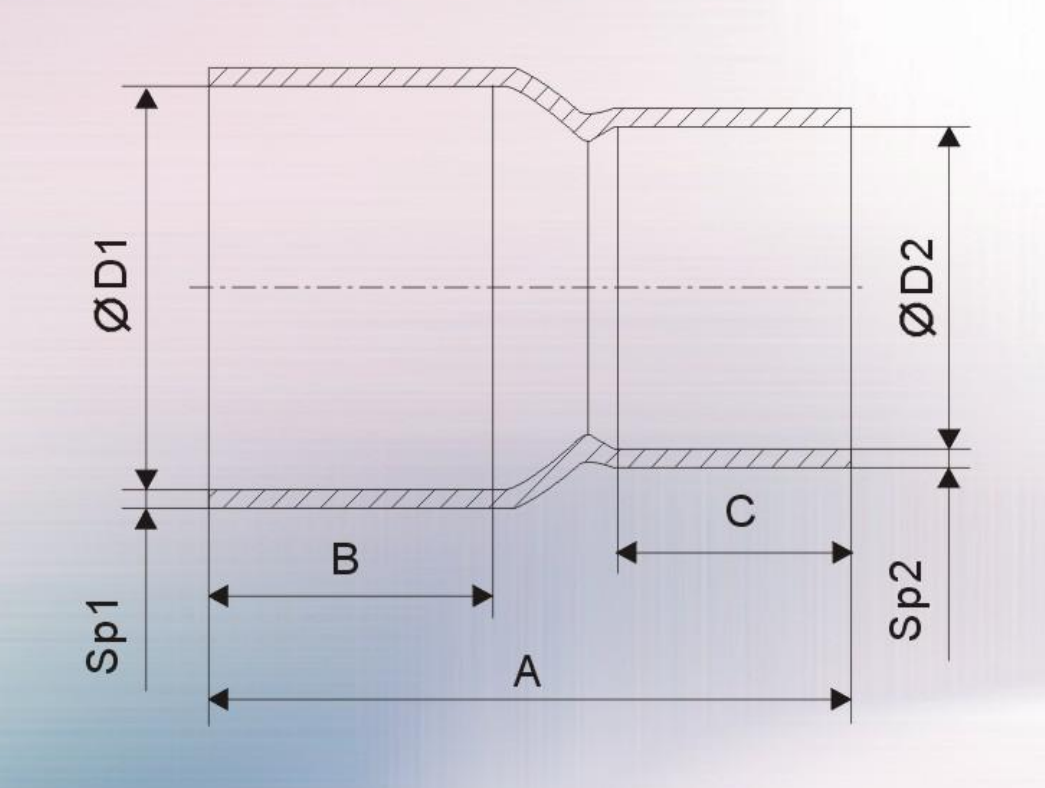
En1254-1: Large End OD.8-159mm, Small End OD 6-133mm |
|
ASME B16.22: Large End OD.1/4”-5 1/8”, Small End OD 3/16”-4 1/8” | |
Connection Type |
End Feed |
Wide Temperature & Pressure Range |
Suitable for various applications, with pressure-temperature ratings defined by ASME B16.22 and EN 1254-1 standards |
Lead-Free & Safe |
Constructed with lead-free materials, making it safe for potable water systems and compliant with international health standards |
Applications
Copper fittings are widely recognized as reliable connection components in various industries due to their excellent durability, corrosion resistance, thermal performance, and compatibility with different fluid systems. Their stable mechanical properties and long service life make them an essential choice for engineers, contractors, and system installers working on projects that require safe and efficient fluid transportation.
HVAC Systems: Reliable Connections for Climate Control Equipment
In heating, ventilation, and air conditioning applications, copper fittings play a critical role in ensuring the safe and efficient operation of refrigerant circulation systems. They are commonly installed in split air conditioning units, VRV/VRF systems, heat pumps, and other temperature-control equipment. The excellent thermal conductivity of copper allows efficient heat transfer, helping HVAC systems achieve better energy performance.
Copper fittings are especially suitable for refrigerant pipelines because they can withstand pressure variations, temperature fluctuations, and long-term exposure to refrigerants. Their smooth internal surfaces help maintain stable refrigerant flow while reducing resistance and improving overall system efficiency. Whether used in residential air conditioners, commercial HVAC installations, or industrial climate-control systems, copper connections provide dependable performance.
Plumbing Applications: Durable Solutions for Water Distribution
In residential, commercial, and industrial plumbing networks, copper fittings are widely used to connect, redirect, and transition water supply pipelines. Their strong resistance to corrosion and oxidation makes them suitable for both hot and cold water systems, ensuring safe water transportation over many years.
Copper’s natural antimicrobial properties also make it a preferred material for applications where hygiene and water quality are important. These fittings are frequently used in building water supply systems, heating circuits, bathroom installations, and other plumbing projects. Their compatibility with soldering and brazing techniques allows secure installation while reducing the possibility of leakage.
Refrigeration Systems: Performance Under Extreme Conditions
Copper fittings are essential components in refrigeration equipment, including cold storage facilities, commercial freezers, industrial chillers, and cooling plants. These systems often operate under continuous temperature changes and demanding working environments, requiring materials that can maintain structural stability.
The high thermal conductivity of copper supports efficient cooling performance, while its excellent pressure resistance ensures reliable operation in refrigeration pipelines. From small refrigeration units to large industrial cooling systems, copper fittings help maintain smooth refrigerant circulation and extend equipment service life.
Medical Gas Systems: Safety-Focused Pipeline Connections
In medical facilities, copper fittings are commonly used in medical gas distribution networks due to their high purity, cleanliness, and long-term reliability. They are suitable for transporting gases such as oxygen, nitrogen, and vacuum systems when manufactured and installed according to applicable standards.
Copper’s biostatic characteristics help limit microbial growth inside pipelines, supporting safer healthcare environments. Its dependable performance and resistance to corrosion make it a trusted choice for hospitals, laboratories, and specialized medical facilities.
With their versatility, durability, and proven performance, copper fittings provide a comprehensive connection solution across HVAC, plumbing, refrigeration, and medical gas industries. Their ability to maintain reliability under different pressure, temperature, and environmental conditions makes them an indispensable component in modern piping infrastructure.