
 EN
EN



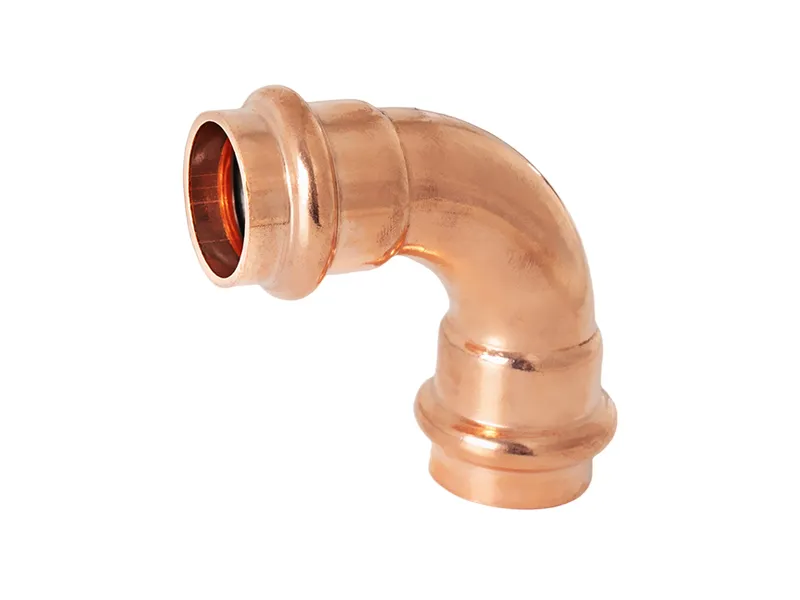
A site bent its own copper to save the fitting cost and paid for it in a cracked turn two winters later. The bend had thinned at the outside of the curve, and the freeze cycle opened the weak spot. A copper elbow made on a matched die keeps the wall through the sweep, so the joint outlasts the line instead of failing where the pipe was stretched by a field bend.
When the Field Bend Failed
The Crack at the Turn
The self-bent run wept at the outside of a tight radius after a hard freeze. The copper elbow alternative would have held the wall, but the site chose the cheaper bend and lost it at the thinnest point. A turn made without a die thins where the stress gathers, and the leak showed up exactly where the stretch was greatest on the curve.
Why the Bend Thinned Out
Cold bending stretches the outer wall and compresses the inner one. A copper elbow formed on a die controls that thinning, while a field bend leaves it to the crew's feel. The result was a turn with less metal than the tube it joined, so the freeze found the spot and opened it where the system could least afford a shutdown on site.
Risk in the Bend Method
Wall Loss Beyond the Limit
Too tight a radius sheds wall fast. A copper elbow from a proper die stays within the allowed reduction, but a field bend can exceed it and still look fine. Measuring the thinnest point after the bend catches the loss before the line is charged, and the approved drawing sets the radius the wall can survive under pressure.
Uneven Anneal From Heat
Bending with heat risks a soft, uneven grain. A copper elbow that is drawn and annealed under control keeps a uniform structure, while a torch-bent run hardens in spots. The mixed grain cracks at the braze and leaks under thermal cycling, which a cool pressure test may not expose until summer loads the line on the roof.
How the Elbow Holds the Wall
The Die and the Radius
Quality elbows are formed on a matched die to a true radius. A copper elbow made this way keeps wall thickness through the sweep, so it does not thin and fail where the stress concentrates. The right die also repeats the shape, so every piece in the lot fits the same manifold without rework later during the install.
The Sweep and the Flow
A generous radius keeps flow smooth and stress low. A copper elbow with a tight, lumpy sweep disturbs flow and gathers deposits at the curve. The better geometry also brazes cleaner, because the fit is consistent and the gap the filler must bridge stays within the range the joint was designed to hold under the system pressure.
Standards and Choice Discipline
What the References Expect
ASTM B88 and B280 name the tube the elbow must match; ASME B16.22 covers the wrought fitting geometry and wall. A copper elbow bought to these marks arrives with a traceable lot file that names the radius. ISO 9001 shows the plant controls the process, and the order should name the die and the class for traceability on site.
A Practical Reliability Choice
Match the method to the run: a copper elbow where the wall must stay true, a field bend only where the radius is gentle and checked. A copper elbow should come with the certificate and a lot file the inspector accepts. Booming supplies documented grades and common radii, so the buyer chooses reliability with a recorded part rather than a hope from the bending crew.
A copper elbow must keep the wall through the sweep where the bend meets the run tube. A copper elbow that thins at the curve leaks where the freeze opens the weak spot on the line. Measuring the thinnest point after forming keeps the copper elbow inside the spec, and the sample the buyer checks confirms the die was set to the radius the system needs under pressure each winter.
A clean bore protects the flow a copper elbow carries through the manifold on the job. A copper elbow with a rough inside disturbs flow and gathers deposit at the curve under load. Specifying the finish and sampling one copper elbow from the lot keeps the line clean, and the commissioning test rewards the care with a smooth run the operator notices where the turn meets the pump on the floor.
A copper elbow drawn and annealed under control seals like the tube it joins through thermal cycling. A copper elbow from a torch-bent run hardens in spots and cracks at the braze under swing. The lot file should record the anneal so the inspector sees the copper elbow was processed completely, and the joint the crew brazes holds through the start, run, and shutdown the system drives each day on site.
Booming stocks common radii and documents the grade for the copper elbow a job needs on the schedule. A copper elbow ordered with the certificate, not after, keeps the critical path short and the date real. The buyer plans the copper elbow against a queue the supplier shares, so the install meets the deadline instead of slipping when the die is busy on another line in the plant.
The order for a copper elbow should name the radius, wall, alloy, and finish up front for the crew. A copper elbow specified with that detail joins the schedule cleanly and ships on a number the planner can trust. Reviewing the lot file before release confirms the copper elbow matches the drawing, and the pallet the crew opens fits the manifold without the rework a vague spec forces during the live install.
Frequently Asked Questions
Are copper elbows more reliable than bent pipe?
When the wall must stay true, yes. A copper elbow formed on a matched die keeps thickness through the sweep, while a field bend thins at the outside of the curve. The die part outlasts the line instead of failing where the pipe was stretched, and the lot file proves the radius the wall was formed to hold under pressure.
Why does a field bend thin the wall?
Cold bending stretches the outer wall and compresses the inner one, and a tight radius sheds metal fast. A copper elbow from a proper die controls that loss, but a field bend leaves it to feel. The thinnest point after the bend is where the freeze opens the joint, so measuring it catches the shortfall before the line is charged.
Does the bend radius affect reliability?
It sets how much wall the turn keeps. A copper elbow with a generous radius holds more metal and lower stress than a tight field bend. The approved drawing should name the radius the wall can survive, and the lot file should record it so the inspector confirms the part was formed inside the safe range under test.
Can heat bending cause other problems?
Yes, it risks a soft, uneven grain from uneven anneal. A copper elbow drawn and annealed under control keeps a uniform structure, while a torch-bent run hardens in spots. The mixed grain cracks at the braze under thermal cycling, and a cool test may miss it until summer loads the line and the weak joint finally opens on site.
Which standards cover a sound copper elbow?
ASTM B88 and B280 name the tube; ASME B16.22 covers the elbow geometry and wall. A copper elbow to these marks arrives traceable, and ISO 9001 shows the plant controls the process. The lot file should name the radius and the class, so the engineer confirms the part before the joint is brazed and charged.
Should the supplier document the elbow?
Pick a source that supplies the certificate, radius, and lot file together. A copper elbow bought without that record forces the buyer to guess the wall and risks a mismatch. Booming provides documented grades and common radii, so the choice is reliability on a recorded part rather than a hope from the bending crew on the floor.